
Department of Botany
The Department of Botany at Sibani Mandal Mahavidyalaya was established in 2015 with the introduction of the General course under the Choice Based Credit System (CBCS), in accordance with the guidelines of the University of Calcutta. The department primarily serves students from Namkhana and the surrounding rural coastal areas, offering them the opportunity to explore plant sciences through both theoretical learning and hands-on practical training.
Since 2023, with the implementation of the National Education Policy (NEP) 2020, the college has adopted the Curriculum and Credit Framework (CCF). Under this system, Botany is offered in the following modes:
- Core Course (CC) for the three-year Multidisciplinary Course (MDC)
- Interdisciplinary Course (IDC) for students from other disciplines
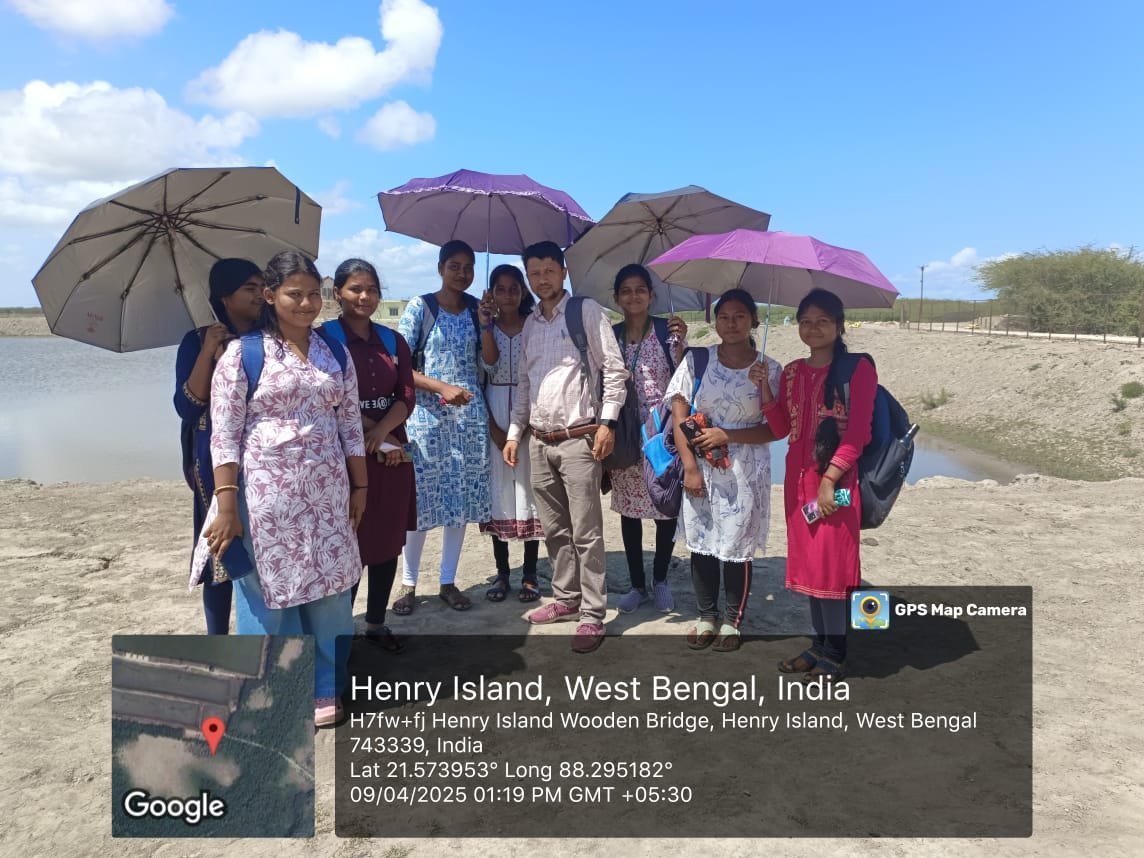
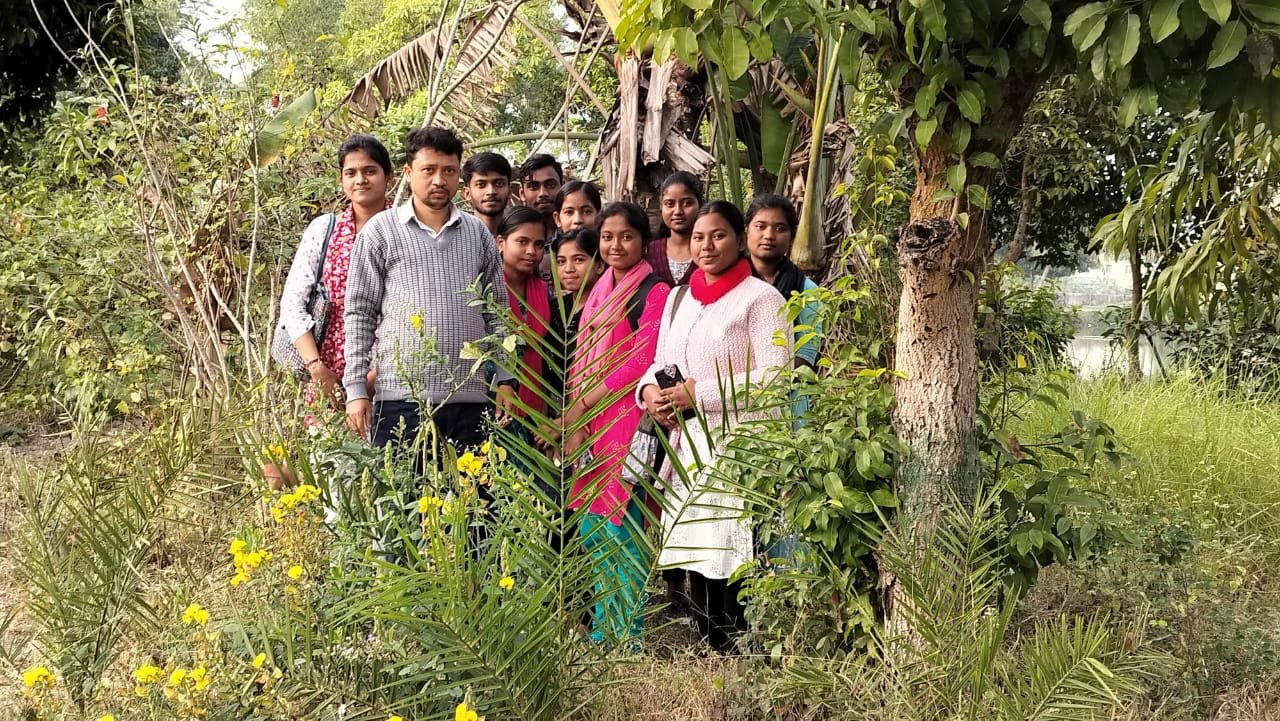
Situated in the ecologically rich Sundarbans region, the department benefits from a distinctive geographical advantage. The surrounding biodiversity — including mangrove ecosystems, medicinal plants, and a wide variety of floral species — serves as a natural, living laboratory for students. Over the years, the department has strengthened its academic activities and field-based learning initiatives, fostering environmental awareness and promoting the principles of sustainable development among learners.
The department also maintains an on-campus botanical garden, systematically divided into sections housing herbal species, mangrove species, and other ethnobotanically significant plants. This curated green space provides students with direct exposure to living plant collections, supporting coursework, research activities, and community awareness programs.
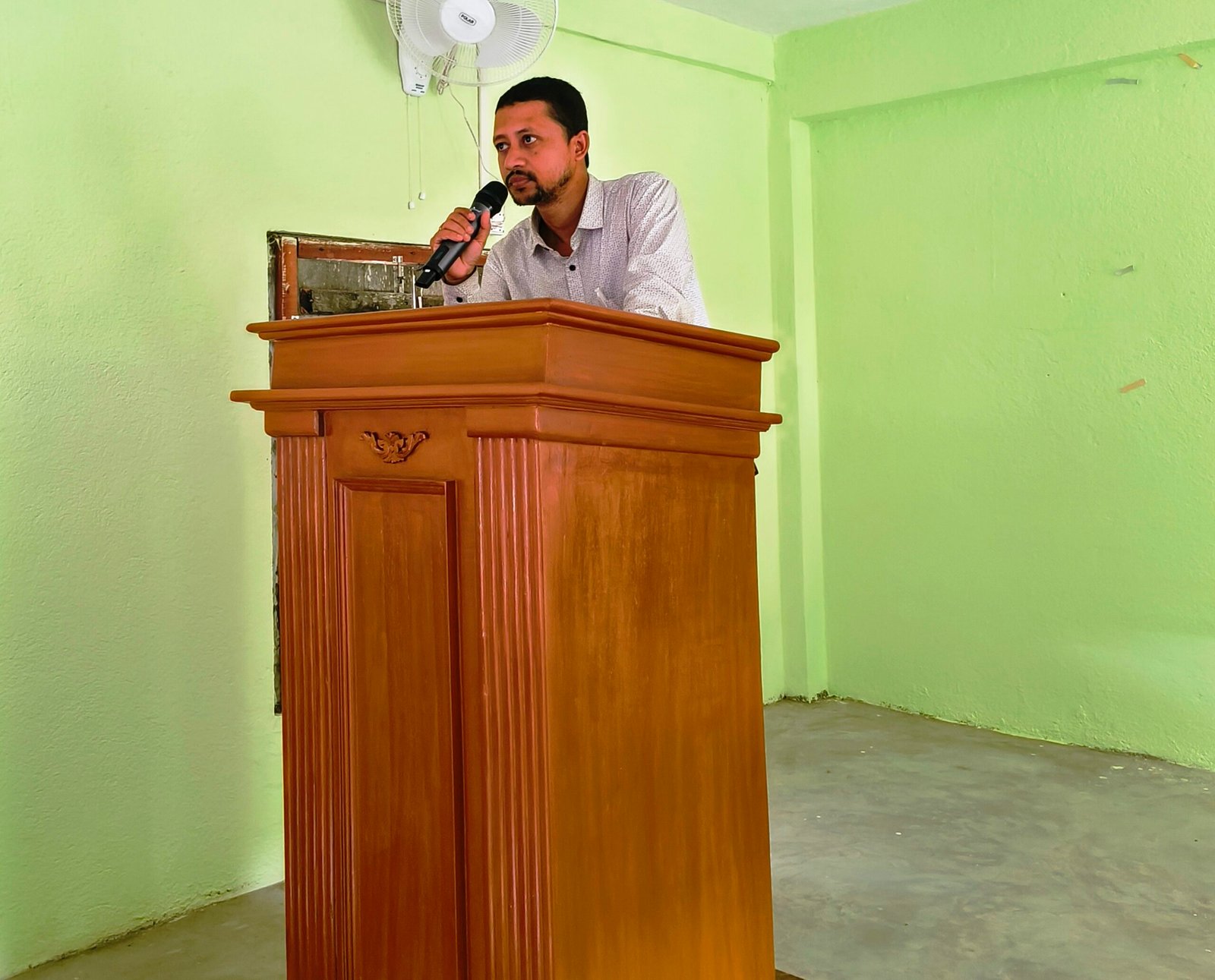
The department is supported by dedicated faculty member committed to high-quality teaching and student mentorship. A well-equipped laboratory enables practical experiments, while regular field visits, workshops, and seminars enrich the learning experience. Looking ahead, the department aims to:
- Introduce advanced and specialized courses in plant sciences
- Develop research collaborations with academic and scientific institutions
- Strengthen community outreach programs on biodiversity conservation and sustainable resource management
Mission
The Department of Botany is guided by a clear mission to foster knowledge, skills, and values that prepare students for both academic growth and social responsibility. Its mission is to:
- Quality Education: To provide high-quality, inclusive education in plant sciences, integrating theoretical concepts with field-based and laboratory experiences.
- Local Resource Utilisation: To utilise the rich biodiversity of the Sundarbans — including mangrove flora and medicinal plants — as a unique teaching resource for research and community outreach.
- Skill Development: To train students in practical, income-generating skills such as mushroom cultivation, herbal medicine preparation, and nursery management, thereby supporting local entrepreneurship.
- Research & Conservation: To encourage students to engage in biodiversity documentation, plant taxonomy, and ecological research, with a focus on conservation of endangered species and sustainable use of plant resources.
- Community Engagement: To collaborate with local communities in awareness campaigns, plantation drives, and environmental workshops that promote eco-friendly practices.
- Adaptation to Global Standards: To align teaching and learning processes with CBCS and CCF frameworks, ensuring academic flexibility, interdisciplinary exposure, and skill enhancement in line with national and international standards.
- Environmental Stewardship: To nurture environmentally conscious graduates who will become advocates for conservation, sustainability, and climate resilience.
Departmental Vision
The Department of Botany envisions becoming a centre of excellence in plant sciences, fostering an environment where students gain scientific knowledge, research aptitude, and environmental consciousness. Being situated in the biodiverse Sundarbans region, the department aims to instil in students a deep respect for nature, encouraging them to use their education for the sustainable management of natural resources.
Our vision extends beyond the classroom — to empower the rural youth of Namkhana by providing them with botanical knowledge and practical skills that can create livelihood opportunities and improve community well-being. We aspire to develop a generation of environmentally responsible citizens who will contribute to biodiversity conservation, climate change mitigation, and sustainable agriculture, while upholding ethical scientific values and global environmental commitments.
Recognising the transformative role of innovation in agriculture, the department also seeks to equip students with modern agricultural training, including:
- Smart IoT-based agriculture: for real-time crop monitoring and resource optimisation.
- Vertical farming techniques: to maximise yield in limited land spaces.
- Drone technology: for precision agriculture, crop health assessment, and targeted input delivery.
- Soil test-based sustainable agriculture: to ensure balanced nutrient management and soil health preservation.
Through the integration of traditional botanical knowledge with cutting-edge agricultural practices, we aim to produce skilled graduates who can address both local and global challenges in food security, ecosystem restoration, and climate resilience.
Community Outreach Activities for the
Botany Department
1. Mushroom Cultivation Training
Why suitable: Utilises local agricultural residues (paddy straw, water hyacinth, sawdust), low investment, quick returns.
Components: Spawning, substrate preparation, hygienic handling, packaging, marketing.
Impact: Nutrition security (high-protein food) + supplementary income.
2. Herbal Garden & Medicinal Plant Awareness
Establish a community herbal garden with species used in local ethnomedicine.
Organise workshops on cultivation, processing, and uses of medicinal plants like Tulsi, Aloe vera, Neem, and Kalmegh.
Link with AYUSH or local healthcare awareness drives.
3. Soil Health Testing and Advisory Service
Portable soil testing camps in villages.
Provide customised soil nutrient and pH-based cropping advice for sustainable agriculture.
Disseminate organic and bio-fertiliser application methods.
4. Smart Agriculture Demonstrations
Demonstrate IoT-based irrigation systems for water-scarce areas.
Introduce drone-based crop monitoring in local paddy and vegetable fields.
Involve students in setting up pilot plots.
5. Mangrove Afforestation & Coastal Bio-shield Program
Engage local schools, fishers, and farmers in planting mangrove saplings in erosion-prone areas.
Conduct awareness talks on mangrove ecosystem services.
6. Composting & Bio-fertiliser Production
Train local households and farmers on vermicomposting and bio-fertiliser preparation from agricultural and fishery waste.
Reduce dependence on chemical fertilisers.
7. Vertical Kitchen Garden Training
Teach low-cost vertical farming methods using bamboo, recycled bottles, and netted frames.
Useful for families with small homestead plots.